





How Does a Depanning Machine Improve Efficiency?
In high-volume baking, depanning is a deceptively small step that can control the pace of the entire line. If products cannot be released from trays or pans fast enough, upstream assets like ovens and proofers are forced to slow down, and downstream processes like cooling, sorting, and packing inherit inconsistency. A Depanning Machine improves efficiency by turning a manual, fatigue-sensitive task into a repeatable mechanical cycle, stabilizing throughput, reducing handling losses, and supporting cleaner line control.
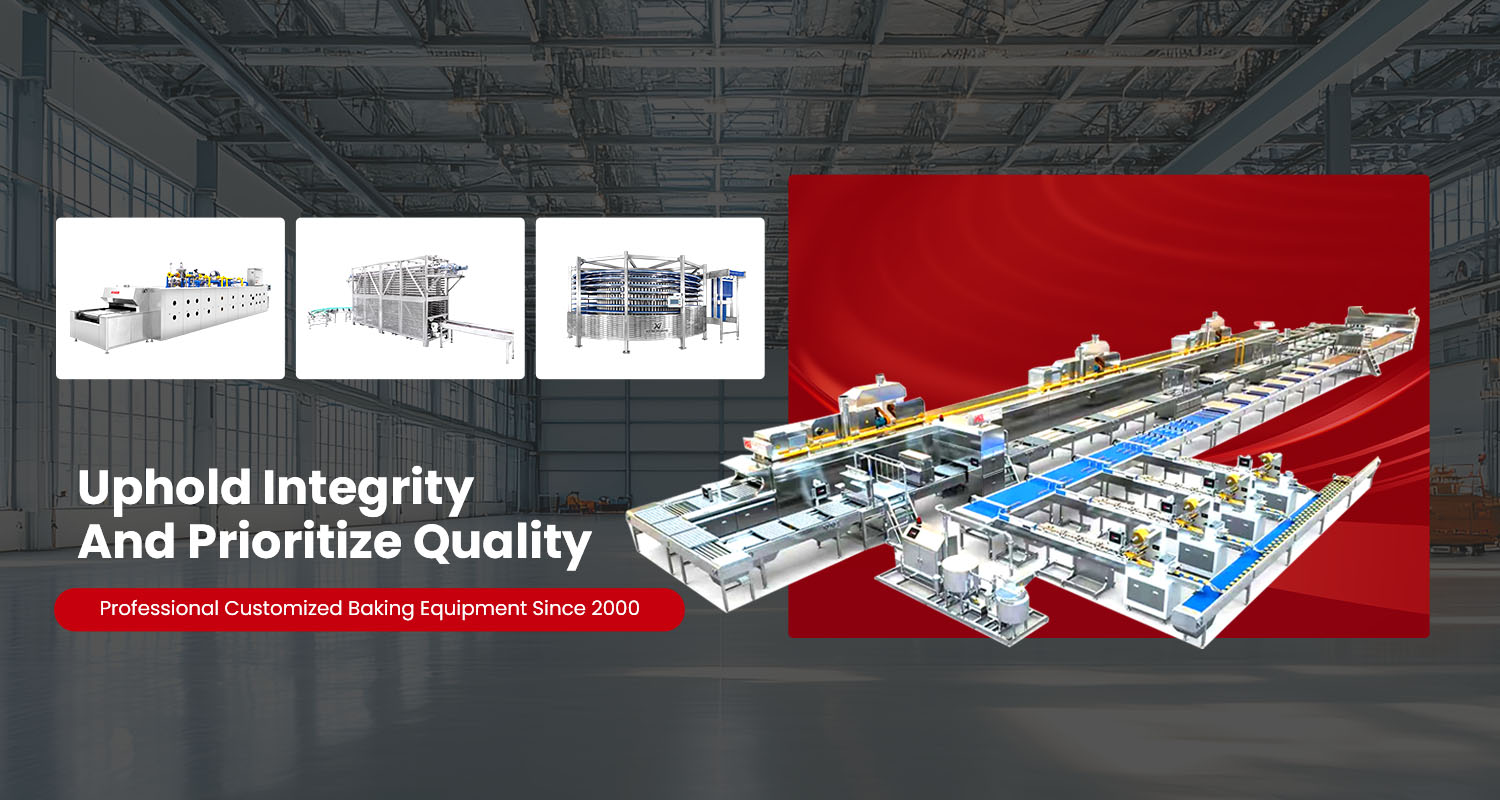
KC-SMART positions depanning as part of an integrated baking workflow, connecting demolding with conveying and subsequent handling so output becomes easier to plan and scale.
Where manual depanning quietly reduces output
Manual depanning often creates inefficiency in ways that are hard to see on dashboards:
Micro-stops and speed mismatch: Operators cannot maintain a perfectly consistent rhythm over long shifts. Even short pauses compound into conveyor gaps, product accumulation, and stoppages.
Damage and rework: Extra handling increases the risk of deformation, tearing, or surface damage, which can become scrap or downgraded product.
Unplanned labor variability: Training time, turnover, and shift-to-shift performance differences change output more than most plants expect.
Ergonomic exposure: Depanning is repetitive and frequently involves lifting, bending, and reaching. OSHA notes that manual materials handling is a major source of compensable injuries, with a large share affecting the lower back, which can translate into absence, restricted duty, and workflow disruption.
The efficiency mechanisms of a depanning machine
Higher, more stable cycle capacity
A depanning machine provides a defined mechanical cycle rate that can be matched to oven discharge and downstream conveyor speed. For example, KC-SMART’s Continuous Adsorption Mold Release Machine is specified up to 12 cycles per minute depending on model, which makes depanning capacity predictable for line balancing.
A practical way to think about this is:
Depanning capacity per hour = cycles per hour × products per tray
Once tray format is known, you can convert cycle speed into a clear hourly ceiling and ensure depanning is not the bottleneck.
Less handling, fewer defects, cleaner transfer
Automated adsorption-based demolding removes the need for repeated manual contact. KC-SMART emphasizes stable adsorption and maintaining product surface integrity during release, which helps protect appearance consistency and reduces the “hidden factory” cost of rework and scrap.
Reduced labor dependency and better labor allocation
The goal is not only to reduce headcount at one station, but to move labor to higher-value tasks such as line supervision, QA checks, packaging control, or changeover readiness. In many plants, the efficiency gain comes from improved coordination and fewer stoppages, not just minutes saved.
Ergonomics that support uptime
Automation can lower repetitive manual handling exposure. NIOSH’s manual material handling guidance highlights reducing reaching/bending and force demands as a core approach to lowering stress on the back and shoulders. In production reality, fewer strain risks usually means fewer slowdowns and fewer “stop-and-catch-up” moments caused by fatigue.
More predictable sanitation routines
Depanning sits at a point where warm product, trays, and conveyance meet. KC-SMART’s equipment description highlights easy cleaning design choices and a 304 stainless steel frame, aligning with the operational need for frequent wipe-down and washdown workflows without turning sanitation into a maintenance event.
Example: what to benchmark before and after installation
Use a before/after framework tied to measurable plant outcomes:
| Metric | What to measure | Why it matters |
|---|---|---|
| Throughput stability | Units/hour variance across shifts | Predictable output improves planning and reduces overtime |
| Micro-stop frequency | Stops/hour at oven discharge and depanning zone | Small stops often drive the biggest OEE losses |
| Scrap / damage rate | % downgraded due to deformation/tearing | Handling reduction should show up here |
| Labor reallocation | Hours moved from depanning to other tasks | Captures value beyond headcount reduction |
| Cleaning time | Minutes per sanitation cycle | Faster cleaning protects real production time |
| Changeover time | Time to switch tray/product formats | Determines flexibility for multi-SKU production |
KC-SMART’s depanning machine supports production planning because key parameters are explicit: 380V 3N, 5.5–11 kW power range, 8–10 kgf/cm² air pressure, and speed ranges up to 12 cycles/min depending on model, making it easier to engineer utilities and line rhythm upfront.
Why KC-SMART is a strong manufacturing and supply choice
Choosing a depanning machine is also choosing how smoothly it will fit your existing line. KC-SMART emphasizes customization of machine dimensions to match production capacity and layout constraints, helping reduce “fitment friction” that often delays commissioning.
Operationally, KC-SMART presents itself as a one-stop solution provider for intelligent baking equipment—covering design, manufacturing, installation, commissioning, and after-sales support—so depanning is treated as part of the full process chain rather than a standalone purchase. This approach is especially useful when you plan an OEM/ODM-style configuration around your tray formats, product variety, and upstream/downstream interfaces.
Key takeaway for production teams
A depanning machine improves efficiency when it is sized and integrated to eliminate bottlenecks, reduce micro-stops, protect product integrity, and make sanitation and staffing more predictable. When depanning becomes a controlled cycle instead of a variable manual task, the entire baking line becomes easier to scale—and efficiency gains show up not only in speed, but in stability and total cost per unit.
Previous: